








Maybe you know the feeling. A situation arises – a word, a scent, a song – and suddenly it sweeps you off your feet. The reaction is stronger than you expected. Or the opposite: you feel like you should be feeling something, but inside there's only emptiness. As if someone were home, but the door is locked from the inside.
This is not weakness. This is a body that remembers. And emotions that once had no safe place where they could simply be.
This article is for you if you sense that the past sometimes holds you by the ankle. If relationships feel heavier than they need to be. If your body occasionally surprises you with tension that has „no reason.“ And if you have a feeling that somewhere inside, something is still waiting for space.

Emotions are not feelings. They are information.
The word „emotion“ comes from the Latin emovere – to set in motion. Emotions are, by their very nature, movement. Energy that wants to flow through the body, deliver a message, and then move on.
Fear says: watch out, danger is near. Sadness says: I have lost something important. Anger says: my boundary has been crossed. Joy says: this is right for me.
Emotions naturally last in the body for only 90 seconds. That is how long the brain needs to trigger a biochemical reaction that then fades on its own. Everything that lasts longer happens because we reactivate the emotion through thoughts, over and over – or because we suppress it. This insight comes from the research of neurologist Jill Bolte Taylor.
The problem arises the moment we stop the emotion. When we swallow it, drown it out, push it aside. The body does not forget it – it stores it. And a stored emotion behaves like a compressed spring: the longer it is compressed, the greater the force with which it will one day release.
Where it all began: childhood and learned silence
Most of us never learned how to work with emotions. School didn't teach us. Our parents didn't teach us – not because they didn't want to, but because their parents hadn't taught them either. It was passed on quietly, from generation to generation.
Markéta was seven years old when she came home from school completely shaken – a classmate had excluded her from the group. She was crying. Her mum hugged her and said: „Don't cry, it's nothing, it'll be different tomorrow.“ She meant well. But Markéta learned that her sadness was exaggerated. That she should tuck it away quickly. Today she is 43 years old and only cries alone, when she is sure no one is watching.
The phrases we heard as children have been written deep inside us:
- „Stop crying or I'll give you something to cry about.“
- „Big boys don't cry.“
- „Be good and don't upset Dad.“
- „That's no reason to get so angry.“
- „Don't take it so seriously.“
Behind every one of those phrases is a well-meaning intention. But the result is always the same: the child learns that its emotions are a problem. That they are too big, too loud, too uncomfortable for those around them. And so it learns to be „fine“ – even when it isn't.
Different for women, different for men
The way we learned to suppress emotions differs by gender. It's not about biology – it's about what society told us from an early age.
👩 Women were taught to:
- Be nice and avoid conflict
- Put others first
- Anger is „ugly“ – better to cry
- Say „I'm fine“ even when they're not
- Apologise for feeling anything at all
👨 Men were taught to:
- Be strong and never give up
- Sadness and fear are weakness
- Problems are solved, not felt
- Anger is the only „permitted“ emotion
- Talking about feelings is embarrassing
The result? Women tend to relive emotions over and over – ruminating, analysing, blaming themselves. Men tend to drown them out – with work, sport, alcohol, silence. Both strategies are understandable. And both lead to the same outcome: the emotion stays trapped.
What happens when an emotion doesn't pass through
A suppressed emotion doesn't disappear. It relocates. The body stores it as tension, as a pattern, as a „setting“ of the nervous system. And then it waits for an opportunity.
Imagine that an emotion is like a wave. If you let it come, it passes through you and moves on. If you hold it back – stand your ground and refuse to move – the wave doesn't break. It stays behind you and keeps growing.
In the body:
- Chronic tension in the shoulders, neck or jaw
- Headaches with no apparent cause
- Sleep problems – difficulty falling asleep, waking at 3 a.m.
- Digestive issues, cramps, irritable bowel syndrome
- Persistent fatigue that doesn't lift even after rest
- Weakened immune system – frequent illness
In the mind and behaviour:
- Disproportionate reactions to small triggers (so-called triggering)
- A sense of numbness – as if emotions are behind glass
- Anxiety with no specific cause
- Outbursts of anger that seem to come „out of nowhere“
- Avoidance of situations that remind you of old pain
- Passive aggression – saying „it's fine“ when it isn't
Research published in the journal Psychosomatic Medicine showed that people who chronically suppress emotions have 35 % higher activity of inflammatory markers in their blood. Chronic inflammation is associated with a wide range of health concerns – from cardiovascular problems to a weakened immune system.

And then there is something else that is rarely spoken about: suppressed emotions rob us of the present moment. Part of our energy is constantly occupied with „guarding“ what must not come out. We don't experience relationships fully. Joy doesn't arrive whole. The body stays tense. And we wonder why we are so exhausted when we haven't done anything „special.“
The past belongs behind us. But first, we have to give it space.
As long as we remain in the past, we are not available to life. What once hurt at every trigger – a scent, a word, a situation – can gradually dissolve into stillness. Not through forgetting. Not through suppression. But by giving it space.
It's not about saying: „It was bad, but I don't think about it anymore.“ It's about saying: „Yes, it happened. And I am allowed to feel it.“
Every sports match begins the moment everyone is standing on their mark. That's when the whole team can expect to win. Life is the same – stand where you belong. In your place. You are not a substitute or an alternative. You are a priority.
The past belongs behind us – life lies ahead. We stand in between. And we are free the moment we give each side its rightful place.
Turn towards the body. Turn away from the thoughts.
Most of us live primarily in our heads. We analyse, plan, evaluate. Logic and reason are wonderful helpers – but they have become dictators. The body has lost its voice.
And yet the body knows. It always has. We have simply forgotten how to listen.
- A tight stomach before an important meeting – that's not nerves. That's a signal.
- A heaviness in the chest after a conversation with a certain person – that's not a coincidence. That's information.
- Unexpected fatigue in specific situations – that's not weakness. That's a message.
The body speaks constantly. The question is whether we listen – or whether we drown it out with coffee, screens, busyness and the phrase „it'll pass.“
Turning towards the body doesn't mean abandoning reason. It means giving the body an equal vote. Asking yourself: What am I feeling right now? Where do I feel it? What is it telling me? And then – most importantly – allowing yourself to feel it. Without judgement. Without rushing.
When we suppress an emotion, the prefrontal cortex activates – the part of the brain responsible for control and planning. But in doing so, we simultaneously dampen the amygdala, which processes the emotion. The result: the emotion is not processed, only suppressed. The brain stores it as an „unfinished task“ and returns to it again and again – at night, in dreams, in seemingly unrelated situations.
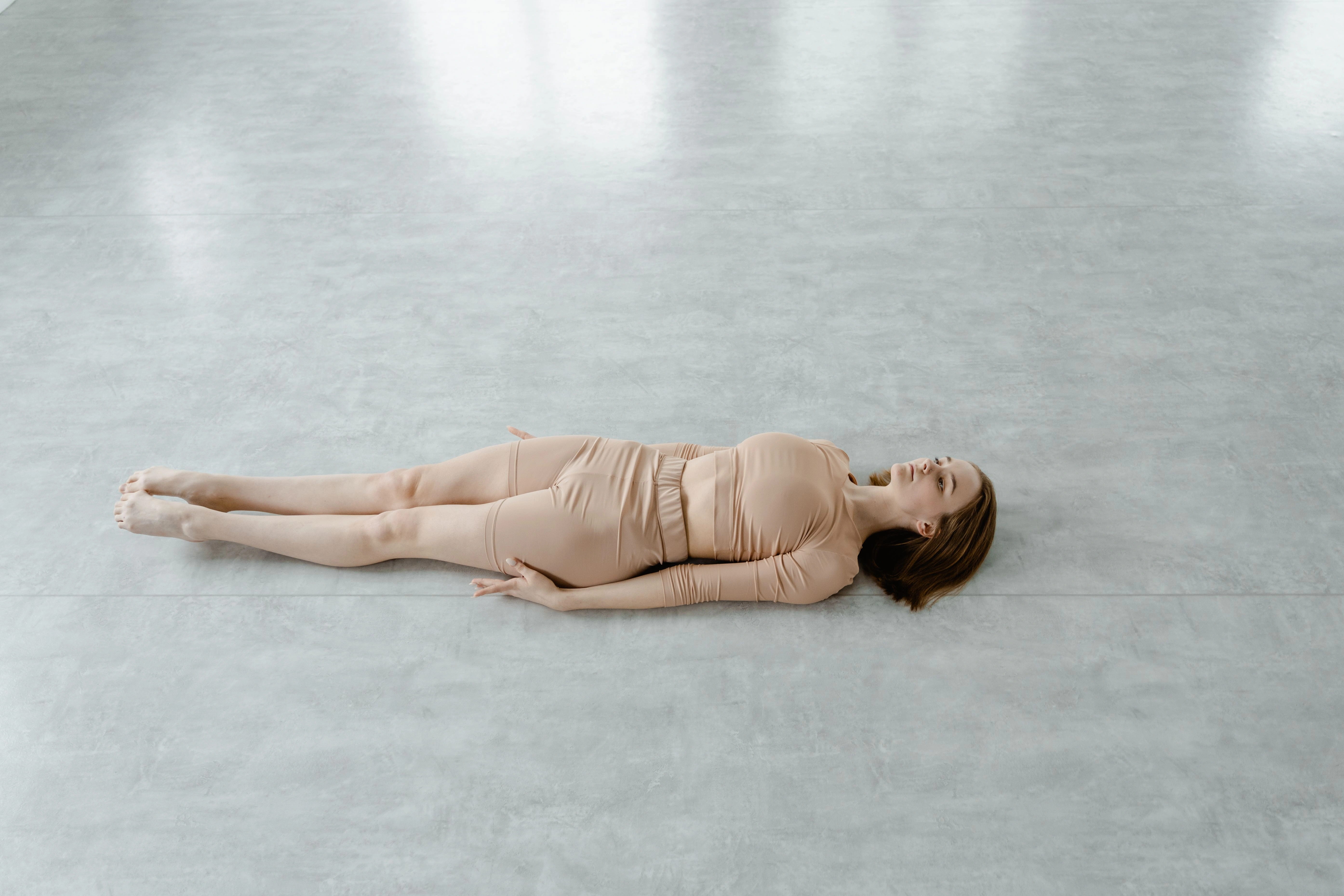
🌿 Support for the nervous system: when the body needs an anchor
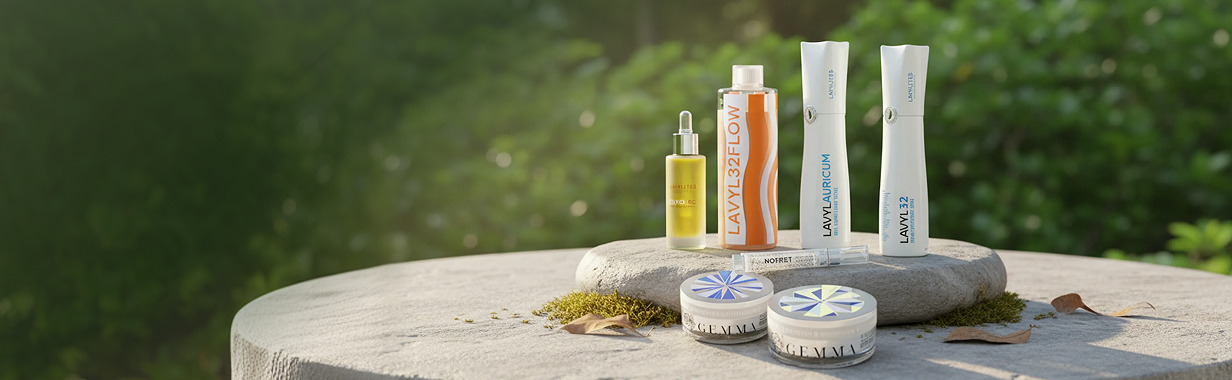
Working with emotions is demanding. The nervous system needs support – from within and from without. These products help create an inner space where it feels safe to feel.
Haevyl 3.I
A gentle spray that supports a sense of inner balance and helps the nervous system find its way back to a calm state. Customers describe it as an „anchor in the storm“ – a few sprays and nature takes care of the rest.
Learn more about Haevyl 3.IDreamea roll-on
Essential oils in a practical roll-on format that support a sense of calm and help you drift off to sleep peacefully. Ideal for evenings when thoughts and emotions simply won't settle. Apply to wrists, temples or the solar plexus.
Learn more about DreameaTherapy: strength, not weakness
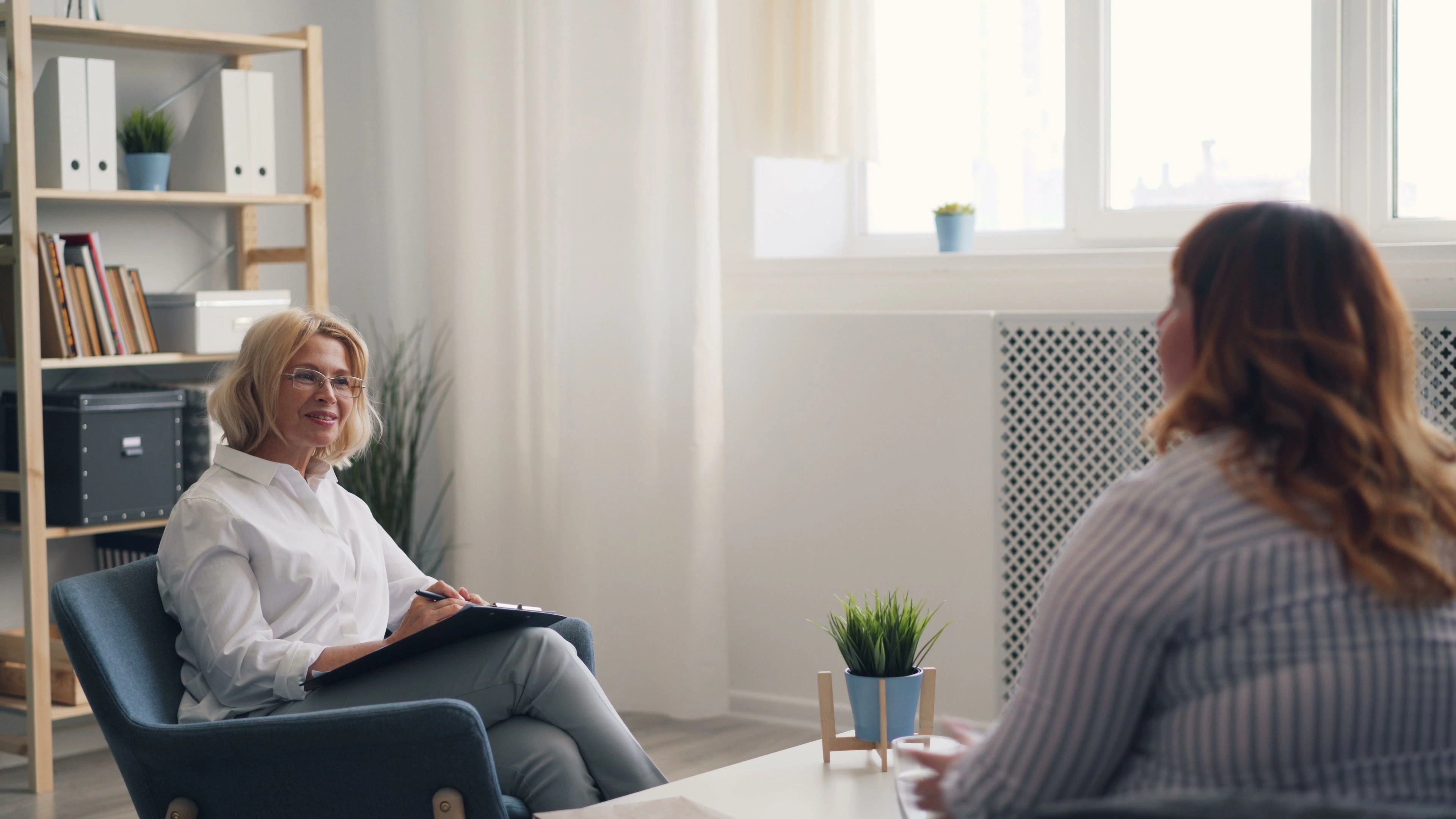
We want to tell you something important: going to therapy is normal today. It is just as natural as going to the dentist when a tooth hurts. Or to a physiotherapist when your back aches. The mind needs care just as much as the body. And sometimes it needs that care from a professional.
And you don't have to tell anyone. Therapy is your business. Your privacy. Your space.
Seeking help doesn't mean you can't manage on your own. It means you value yourself enough to allow yourself to receive it.
🧠 Cognitive Behavioural Therapy (CBT)
Focuses on the connection between thoughts, emotions and behaviour. Helps identify automatic thinking patterns that keep us stuck in the same grooves. Well suited for anxiety, depression and phobias.
🌊 EMDR
A method originally developed for trauma work. It helps the brain move painful memories to a safer place. Clients often describe feeling as though a heavy coat has been lifted from their shoulders after a session.
🫀 Somatic therapy
Works directly with the body. It is based on the understanding that emotions are stored in the tissues, not only in the mind. The therapist guides you through observing bodily sensations and helps you safely release the emotion.
🌀 Systemic constellations
Works with relational patterns within families and systems. Helps find the right place for things that have remained unresolved within us – losses, conflicts, broken relationships. The result is a sense of order and reconciliation.
🤝 IFS (Internal Family Systems)
Works with the understanding that within each of us live multiple „parts“ – the one that is afraid, the one that controls, the one that feels ashamed. IFS helps you get to know these parts and integrate them into inner harmony.
🌿 Mindfulness-based therapy
Combines psychotherapy with meditation and conscious presence. It teaches us to observe emotions without identifying with them. The emotion arrives – and we let it pass. Like a cloud across the sky.
Not sure where to start? Try finding a psychotherapist through the British Association for Counselling and Psychotherapy (BACP) or platforms such as BetterHelp or Calm. The first session is always just a getting-to-know-you conversation – no commitment, no pressure.
How to start today: small steps, big shift
Working with emotions doesn't have to begin in a therapist's chair. It can begin today, here, in everyday life.
✍️ Writing without censorship
Take a piece of paper and write for 10 minutes without stopping. Whatever comes. Don't correct, don't judge. Just write. Expressive writing helps emotions find a way out.
🫁 Conscious breathing
When a strong emotion arrives, pause. Breathe in for 4 counts, hold for 4, breathe out for 6. The extended exhale activates the parasympathetic nervous system – it tells the body: it is safe.
🚶 Movement as a release valve
Emotions are energy. And energy needs movement. A brisk walk, dancing in the living room, shaking the whole body – all of this helps the emotion flow through the body and release.
🗣️ Naming the emotion
Simply naming an emotion („I feel angry right now“) reduces its intensity. The brain shifts from reactive to reflective mode. From „I am anger“ to „I have anger.“ A small shift, a big difference.
🌙 Evening check-in
Before sleep, ask yourself three questions: What did I feel today? What was it telling me? What do I need? You don't need to have answers. The questions alone open up space.
🤲 Allow yourself to receive support
Share with someone you trust. Or with a therapist. Or with a journal. Emotions heal within safe relationships – whether that is a relationship with another person or with yourself.
🌸 Natural support for emotional wellbeing
The natural path to inner balance also begins with small rituals of self-care. These products can become part of your everyday space for yourself.
Calmira roll-on
Natural support for moments when inner tension becomes too loud. Essential oils help create a sense of calm and ease – without numbness, without dependency. The ideal companion for days when emotions arrive in waves.
Learn more about CalmiraVitapenta D3 Gummies
Vitamin D3 plays a key role not only in immunity but also in mood regulation. A deficiency in D3 is associated with higher levels of anxiety. A delicious form of daily care that you actually look forward to.
Learn more about D3 GummiesTranquilya massage oil
A relaxing massage oil designed to support deep calm for both body and mind. It helps the nervous system find its way into a resting state – the state in which emotions are naturally processed.
Learn more about Tranquilya
Closing thoughts: allow yourself to be whole
The highest form of self-love is allowing yourself to feel what you actually feel right now. Not what you should feel. Not what is acceptable. What is.
Emotions are not the enemy. They are guides. They speak for those places within us that need attention, care, or simply – space.
You don't have to manage this alone. You don't have to manage it quickly. You don't have to manage it „correctly.“ It is enough to begin. With one question. With one breath. With one step towards yourself.
Because the past belongs behind us. Life lies ahead. And you – whole, with everything you carry – belong exactly where you are.
You might also enjoy:
Wishing you a day full of lightness and joy. Your Lavycosmetics team.