


In summer, the sun carries you. In November you carry yourself – and yet the same performance is expected as in June. This article explains why that doesn't work and why the fault isn't yours.
It's November, half past six in the morning. The alarm rings into the dark, and you get up just like in June. You drive to work at dusk and come home in the dark. In between, you sit under light that shines like summer and answer messages at summer speed. And in the evening you wonder why you don't even have the energy to unload the dishwasher.
The good news: you're not lazy, you're not weak, and there's probably nothing wrong with you. The bad news: the calendar, your job and the screens around you all pretend it's still summer. Your body can't play along.
Here we go one step further: why the way we live pushes us into that fatigue, and why in winter you deserve more rest, recovery and understanding than in spring and summer.
In summer the world carries you. In winter you carry yourself
Picture a morning in June. The sun wakes you before the alarm, it's warm outside, everything is green, and it's still light at nine in the evening. How much of that day's energy comes from you, and how much does the world give you for free?
☀️ Light
Even on an overcast summer day, it is many times brighter outside than in the brightest office. Your brain reads that as a clear signal: it's daytime, full speed ahead.
🌡️ Warmth
Your body doesn't have to worry about warming up. Muscles are relaxed, blood vessels are wide, and energy flows into the things you want to do.
🌳 Nature
Greenery, scents, water, birdsong. Nature recharges you from the outside without you even noticing.
🕰️ Long days
In June we get more than 16 hours of daylight. You're drawn outdoors on your own, the evenings are long, and people meet up.
In November everything flips. Light is scarce and weak, we have to produce warmth ourselves, nature sleeps, and the day lasts about nine hours (in December barely over eight). The body that ran on solar power all summer now runs on a battery. And that battery has to be charged deliberately: with sleep, warmth, food, people and calm.
In summer, energy is taken. In winter, it has to be made.
A winter body is not a broken summer body
For a long time, seasonal fatigue was considered a matter of mood. Then researchers looked into our genes.
University of Cambridge, Nature Communications, 2015. Researchers compared blood and fat tissue samples taken from people in different months of the year. The activity of 5,136 out of 22,822 genes tested differed by season, which is nearly a quarter. In the European winter, the immune system showed a markedly more “alert” profile, with higher levels of inflammatory markers (IL-6 receptor and CRP). In people in the Southern Hemisphere, where winter falls in July, the pattern was reversed.
This isn't mood. It's an annual program that the body starts on its own. One explanation is that in winter, when people are closer together and infections are more common, the immune system is set to a higher state of alert. But alertness costs energy, and that is energy you then don't have for anything else.
Yetish et al., Current Biology, 2015. Anthropologists followed 94 people from three traditional communities without electricity (the Hadza in Tanzania, the San in Namibia and the Tsimané in Bolivia) for a total of 1,165 days. In summer they slept around 6 hours on average, in winter almost 7 hours. This was no luxury: overall they slept the same or less than we do. But they simply gave the extra winter hour to their bodies. Insomnia that recurred more than once a year was reported by only 1.5–2.5 % of them. In industrialized countries it is 10–30 %.
A tree doesn't shed its leaves in autumn because it's lazy. It's saving energy to survive the winter. We're the only ones who try to resist this, and then we wonder why it doesn't work out.
The time change: the hour that merely exposed the problem
When the clocks went back at the end of October, we gained an extra hour of sleep, and mornings got lighter. It sounds like a gift. Except now the sun sets around four in the afternoon, and most of us are still at work at that hour.
Surprisingly, winter (standard) time is the more natural one. It is closest to solar time, which is why the American Academy of Sleep Medicine recommends it as the permanent time. Health studies focus mainly on the spring shift to daylight saving time. After it, researchers see more heart attacks, strokes, mood disorders and traffic accidents (in the first days up to 6 % more fatal crashes). For the autumn shift the picture is less clear-cut: the extra hour of sleep is welcome, but according to some studies the shortened bright afternoon may make mood worse.
So the hour itself isn't the culprit. The real problem is that nothing else changes after it. Work starts at eight just like in June, school too, and the pace and deadlines stay the same. The biological clock follows the light, the social one follows the boss and the calendar. When the two drift apart, you get so-called social jet lag: as if you crossed a time zone every week without moving from the spot.
- 2018: The European Commission proposed ending the clock change.
- 2019: The European Parliament backed the proposal.
- Since then: Member states haven't agreed on whether summer or winter time should be permanent.
- Currently: The clock change is still in place.
- Next change in Europe: Sunday, 28 March 2027.
Artificial light: in your living room it's still June
The internal clock follows light and darkness. In winter it “wants” a longer night, and we shorten it for it with electricity, evening after evening.
Gooley et al., Journal of Clinical Endocrinology & Metabolism, 2011. Researchers studied 116 healthy young adults who lived in a laboratory for several days. When they were exposed to ordinary room light for eight hours before bedtime (less than 200 lux, about the level of a living room in the evening), melatonin onset was delayed in 99 % of them. Their “internal night” shortened by about 90 minutes.
The light didn't destroy melatonin, but it rewrote its schedule. It's as if someone had secretly changed your calendar to June. How much the night shrinks was shown by another experiment.
Wright, Stothard et al., University of Colorado Boulder, Current Biology, 2013 and 2017. Small groups of volunteers spent a week camping outdoors without electric light. In summer, their melatonin “evening” shifted about 2 hours earlier, closer to sunset. In winter, their biological night lengthened by more than 4 hours compared with summer. In people living in the usual electrically lit environment, the season barely showed. The winter campers began producing melatonin 2.6 hours earlier and slept 2.3 hours longer than people at home.
In winter the body truly asks for a longer night, but we don't allow it. You don't have to switch off civilization. It's enough to turn things down after four in the afternoon: swap the ceiling light for low lamps with warm light, lower the brightness on your screens and let your eyes settle into dusk in the evening.

Performance pressure: the to-do list doesn't know it's November
Nature saves energy in November. Your work calendar doesn't. Year-end closing, deadlines, reports and plans for next year all arrive at once. On top of that comes Advent with cleaning, gifts, baking and family obligations. All of it in the darkest part of the year, when the body has the least energy.
Think of it as a bank account. In summer a hundred units of energy arrive every day, and your spending is also around a hundred. In winter, say, seventy arrive, but your spending stays at a hundred. The overdraft never shows up anywhere. It appears as morning exhaustion, irritability, sugar cravings or a cold that drags on. And you tell yourself the fault is yours.
Prolonged pressure also keeps the stress hormone cortisol elevated.
“I'm a manager and I give presentations to my team every week. Since I started using Haevyl 3.I a few minutes before each presentation, I'm a completely different person – calm, focused, convincing. My colleagues keep asking what happened.”
– Martin V., 41 years old, verified customer
Martin deals with the pressure of presentations. In November almost everyone deals with pressure, just differently: behind the wheel in the dark in the morning, in front of a monitor in the afternoon. The point isn't to stop working. The point is to admit that the same performance costs more in November than in June, and to adjust the demands on yourself and others accordingly.
What people who don't mind winter know
Psychologist Kari Leibowitz of Stanford moved for a year to Tromsø in Norway, a city far above the Arctic Circle where the sun doesn't rise for weeks in winter. She wanted to understand how people there cope with the darkness. The answer wasn't about vitamins but about mindset: Norwegians looked forward to winter. They planned skiing, lit candles, wrapped themselves in blankets, and called this cozy feeling koselig. Her follow-up survey in Oslo, Tromsø and Svalbard showed that people with a more positive attitude toward winter had higher life satisfaction, more positive emotions and a greater sense of personal growth.
That is a correlation, not proof of cause and effect, and nobody claims the dark is easy. But it shows one thing: winter has its own tasks. Warmth, slow cooking, people around the table, candles, making things, long sleep. When you give it these tasks, it stops being just the wait for spring.
Winter routine: six small things that change your day
1. The 80 % rule
In winter, plan a fifth less than you would manage in June. What's left over isn't laziness, it's a reserve for the dark, for viruses and for Christmas.
2. 30 minutes more sleep
People without electricity slept an hour more in winter. Start with half an hour: go to bed earlier or start your morning without unnecessary rush.
3. Dim the lights after four
After sunset, low lamps instead of ceiling light. That way your body gets its winter-length evening.
4. One empty evening a week
Block one evening in your calendar with no plans, duties or screens. Agree on it with your family as seriously as you would with a doctor.
5. Five minutes at the window
Every two hours, stand up and look out of the window into the distance, ideally outdoors. Light, relaxed eyes and a few deep breaths.
6. Warmth and touch
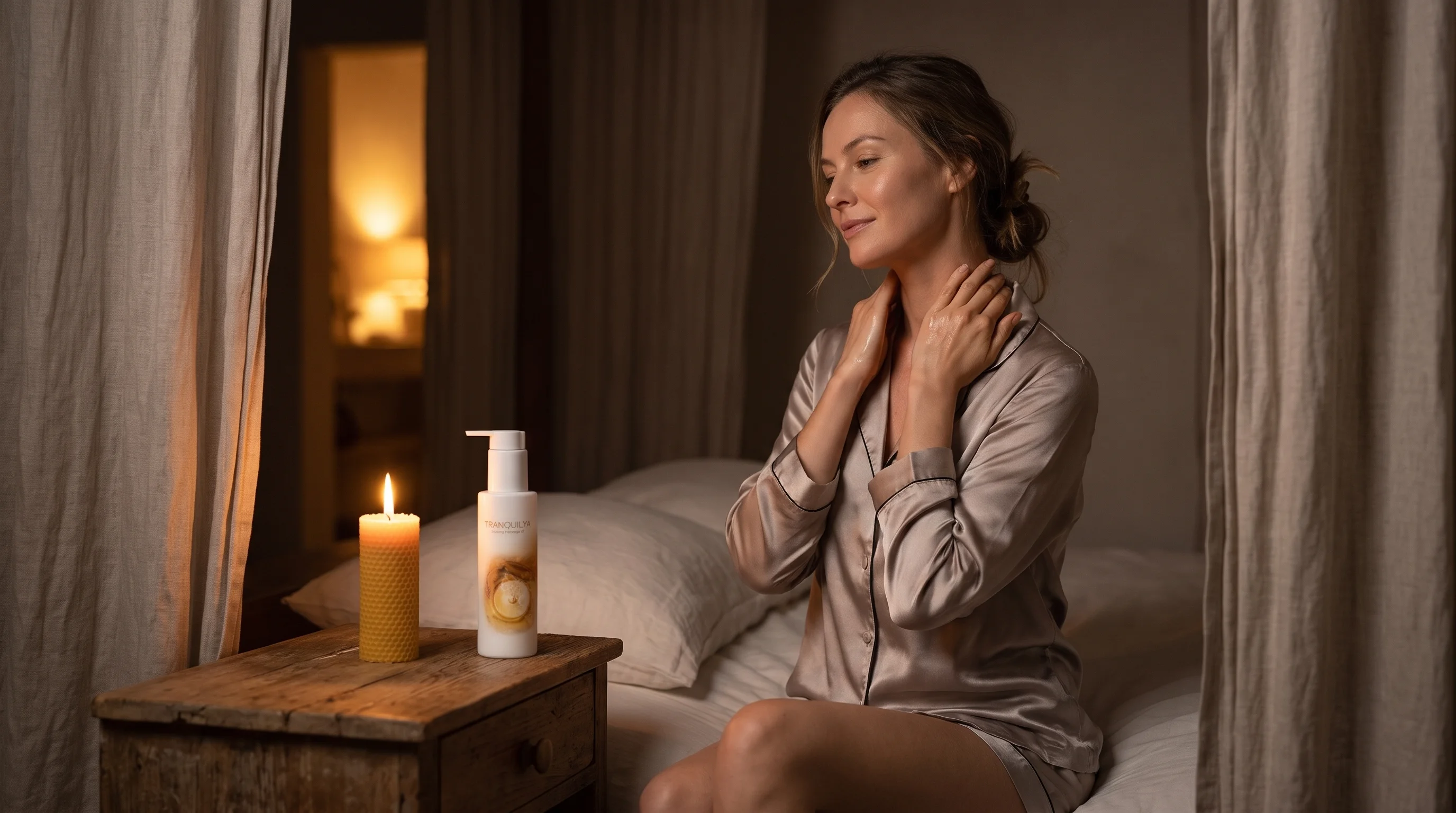
A warm bath, woolly socks, soup. And conscious touch: ten minutes of massage on your neck and shoulders before bed tells your body that the day is over.
When it's no longer just winter fatigue. If your energy, mood and motivation don't return even after several weeks, see a doctor. It may be seasonal affective disorder. It is not a weakness, and it can be worked with. You'll find more in the article Autumn fatigue.
What can help you close at hand
Changing your routine is the foundation. But sometimes you also need supports that make the day easier. We've chosen those that truly belong to this topic.
During the day: light from within and support for the mind
In winter your body needs more building blocks and your mind needs more support. You can find the whole range of vitamins in the category YUMMY – multivitamins.
Vitapenta D3 Gummies
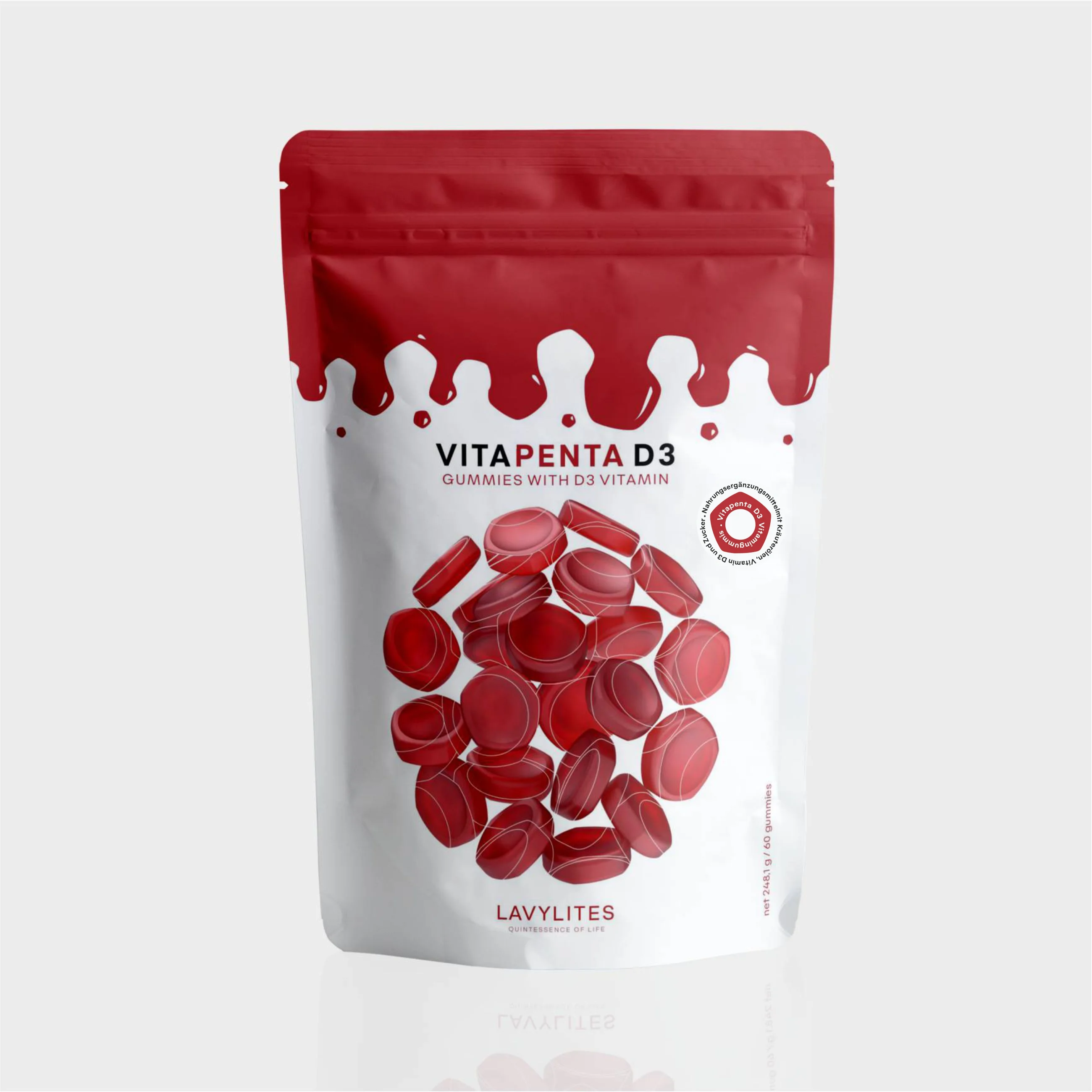
At our latitudes, sunlight from October to March usually isn't enough for the skin to produce vitamin D. Vitamin D contributes to the normal function of the immune system and to the maintenance of normal bones. The gummies contain 3,000 IU in two pieces. Follow the dosage on the package, and have your levels checked by a doctor if needed.
Vitapenta Multivitamin Gummies
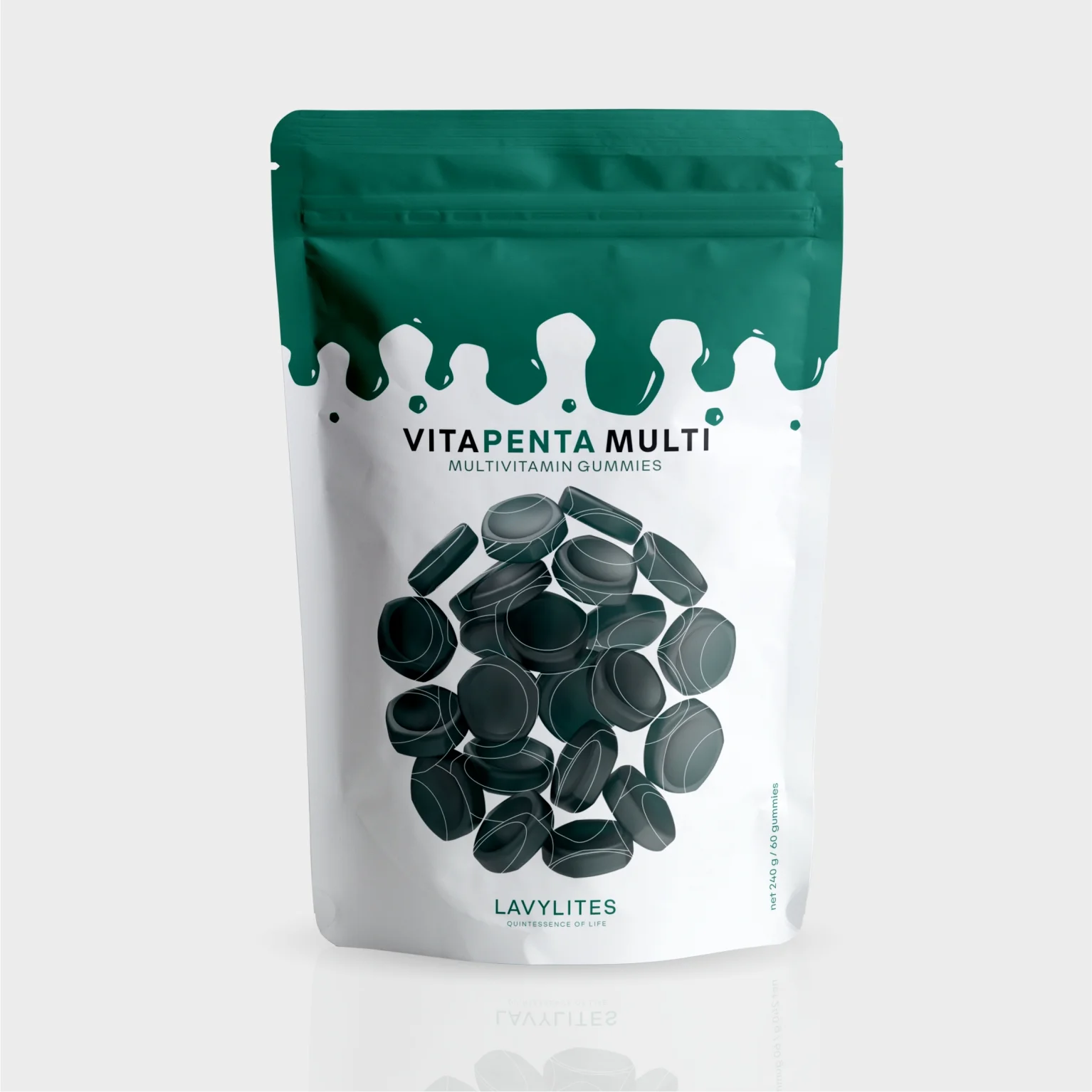
Complete daily vitamins in 1–2 gummies. Handy when you don't feel like cooking in winter and eat whatever is at hand.
Learn more →Haevyl 3.I
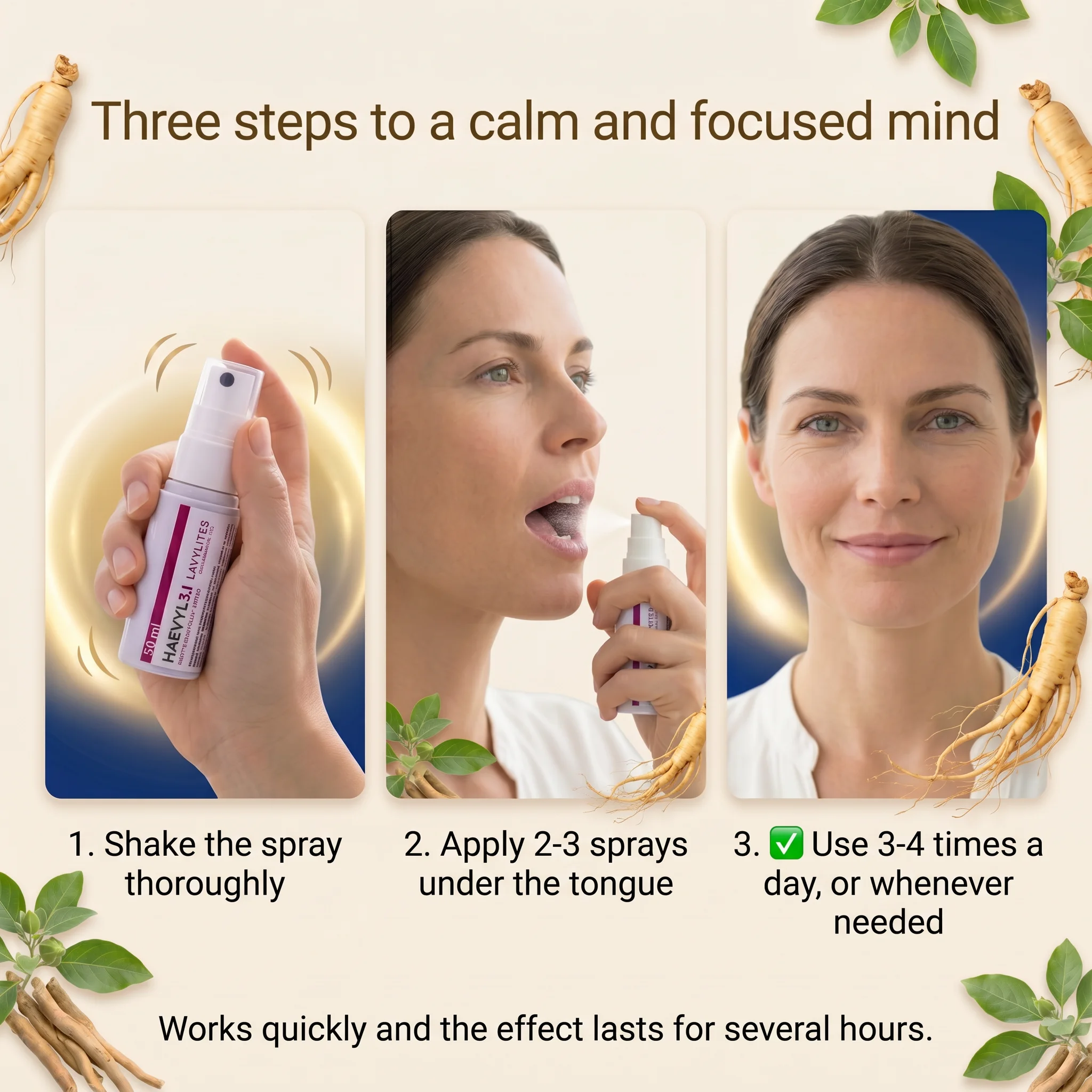
Sometimes you can't change the winter pace: a long drive in the dark, a presentation, an exam, a deadline. Haevyl 3.I is a herbal spray with ginseng, propolis, sage, anise and mint, applied under the tongue. Customers describe it as a “reset button for head and body” and say it calms nervousness while also helping with focus. According to the instructions, 3–5 sprays under the tongue as needed. It is a support, not a substitute for rest.
Learn more about Haevyl 3.I →In the evening: warmth, touch, calm
In winter, the evening is the most important part of the day, when the body switches from performance to recovery. You'll find more oils in the category massage oils, and more roll-ons in the category roll-ons for sleep and stress.
TRANQUILYA
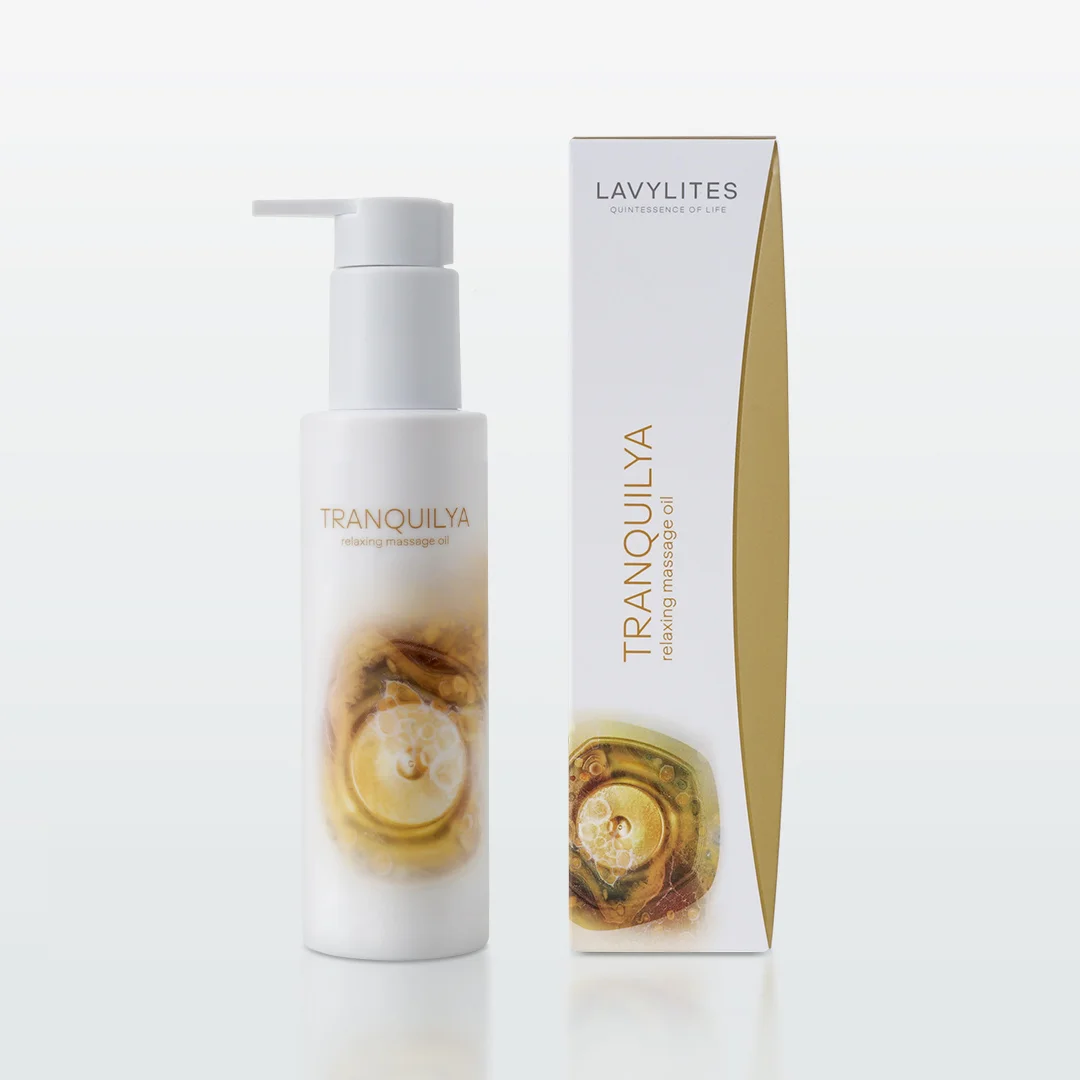
Relaxing massage oil (100 ml) for deep calm in body and mind. Ten minutes of mindful massage on your neck, shoulders or feet before bed combine scent and touch into a clear signal: the day is over.
Learn more →DREAMEA
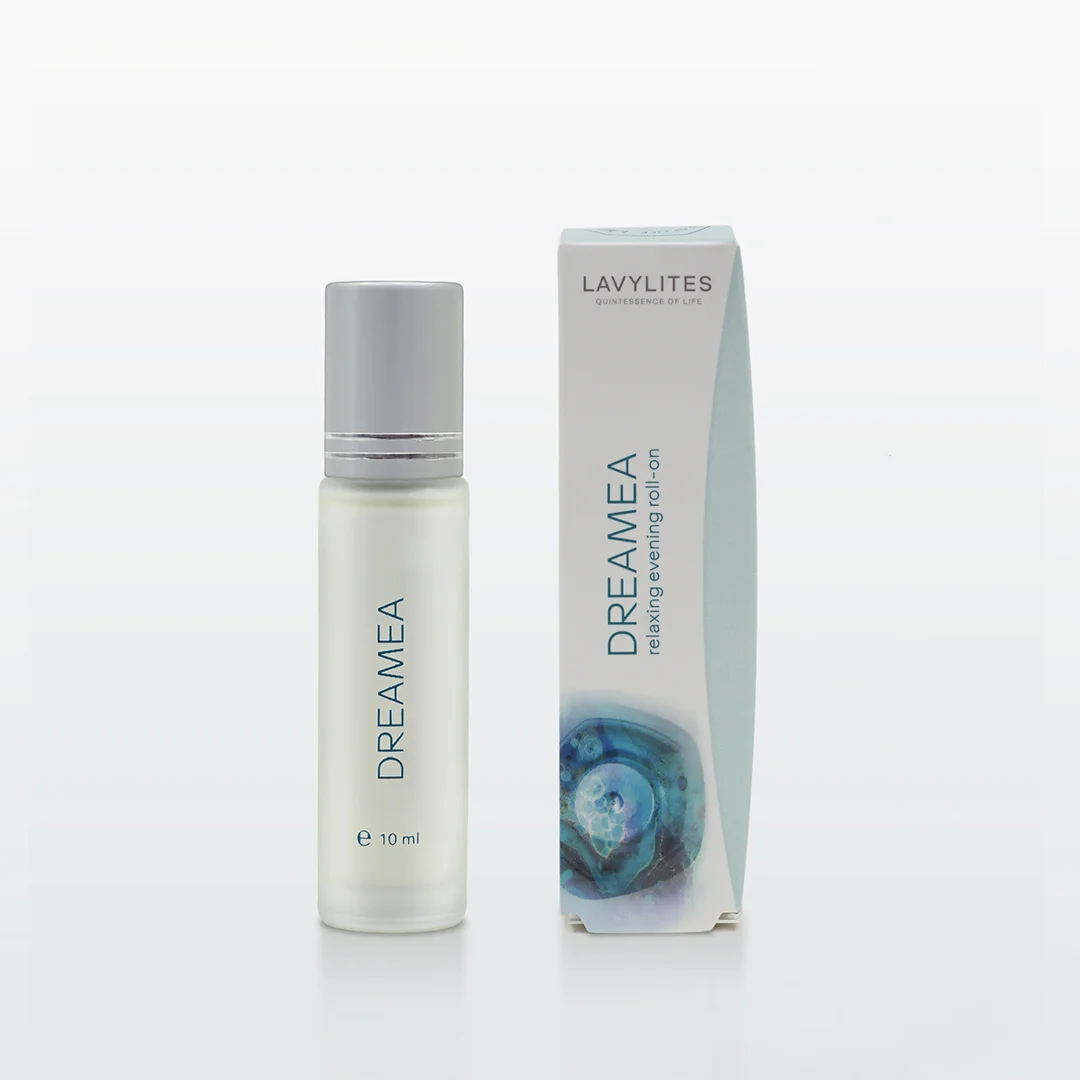
Roll-on with essential oils (10 ml) as a short natural ritual before bed. Small, compact, always within reach on the nightstand.
Learn more →CALMIRA
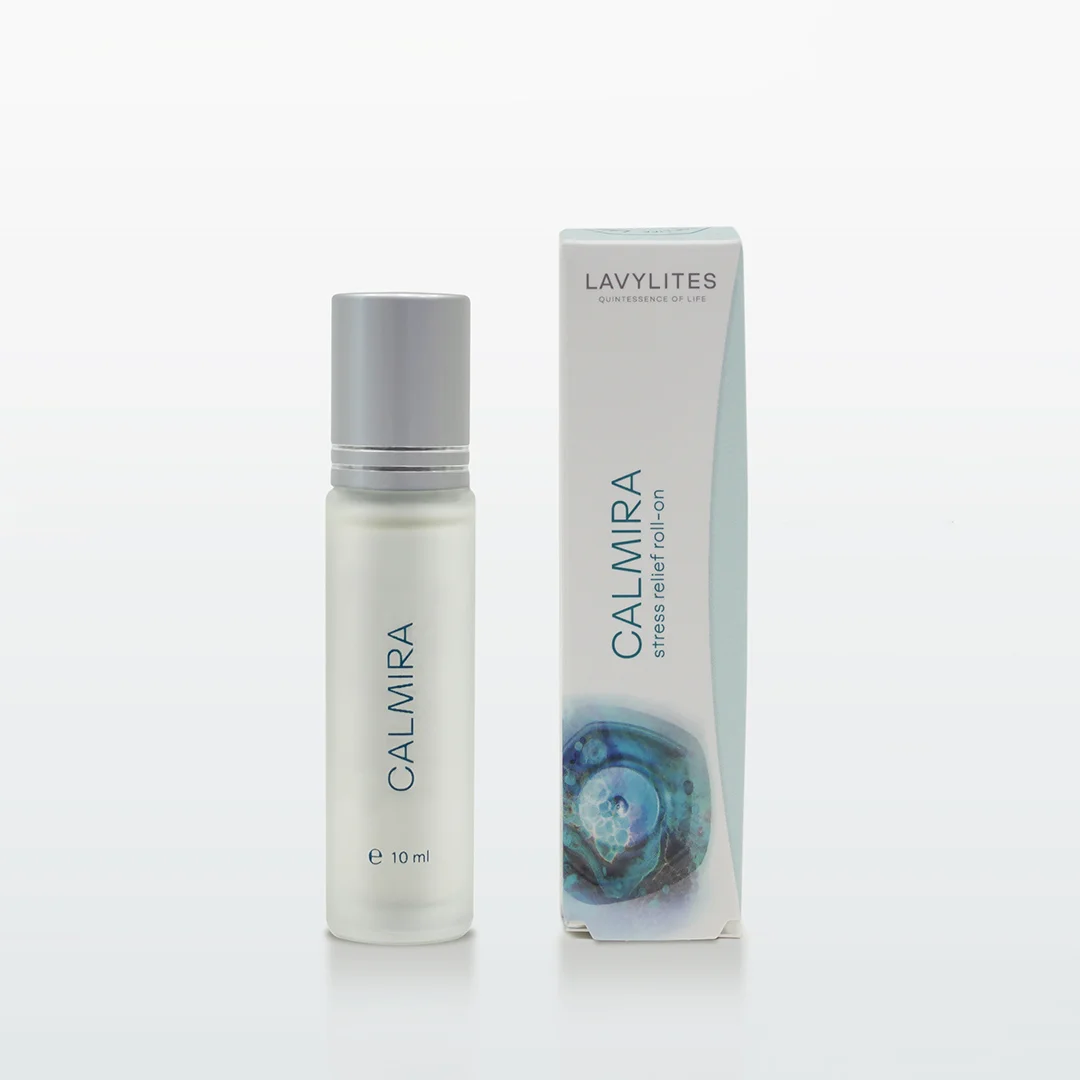
Roll-on with essential oils (10 ml) for moments when stress builds up. It helps in the car, at your desk and in your bag.
Learn more →Winter is not a malfunction. It is the second half of the year
Nature doesn't see winter as a system error. It is half of the cycle, without which there would be no spring. The body knows what it is doing: it slows down, saves, reorganizes. The problem isn't that it slows down, but that we force it to keep a pace that only summer can give it.
You don't have to change jobs or move to Norway. It's enough to switch on a little less light, sleep a little more, plan a little less and judge yourself a lot less. In spring, you'll then have energy that isn't borrowed.